Nobody Panic: What Japanese Silence Is Actually Trying to Tell You
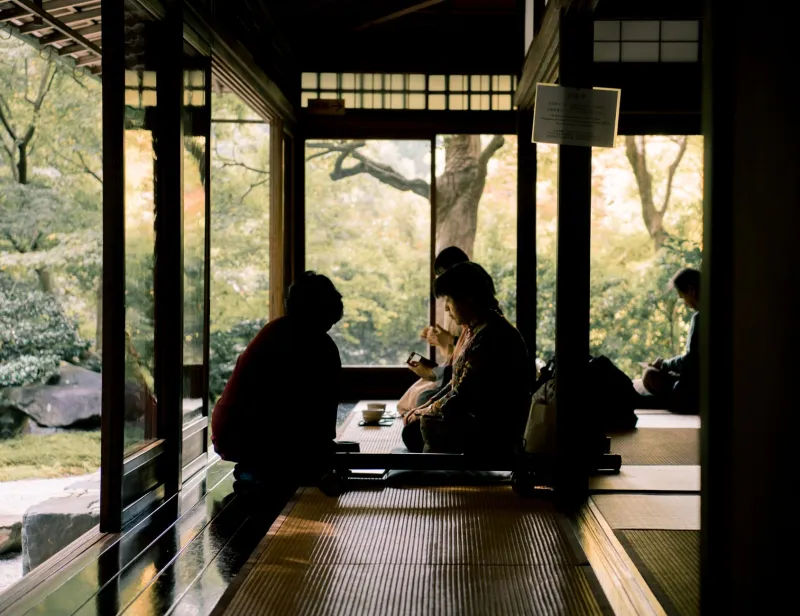
There's a specific kind of panic that hits English speakers mid-conversation in Japan. You've said your piece. The other person nods slowly. And then — nothing. Three seconds pass. Five. You start mentally reviewing everything you said, wondering if you accidentally insulted someone's grandmother. You open your mouth to fill the void with literally anything.
The Japanese person across from you? They're just thinking.
This is one of those cultural collision points that sounds small until you're living inside it, and then it feels enormous. Because silence in conversation isn't neutral — it carries meaning, and that meaning changes completely depending on which side of the Pacific you grew up on.
The American Relationship With Conversational Dead Air
In the US, silence during a conversation tends to register as a malfunction. Radio hosts are trained to never let dead air happen. Podcast editors cut pauses down to milliseconds. In social settings, a lull in dialogue gets labeled awkward almost instantly, and someone — usually the most extroverted person in the room — will rush to patch it.
This isn't random. A lot of American communication culture is built around the idea that engagement equals talking. Active listening gets demonstrated through verbal affirmations: "Uh-huh," "Right," "Totally," "Oh wow." Silence, by contrast, reads as disinterest, confusion, or hostility. We've basically trained ourselves to treat quiet like a check engine light.
So when you drop an American into a Japanese conversation and the natural rhythm includes unhurried pauses, something close to low-grade alarm sets in.
What Silence Is Actually Doing in Japanese Communication
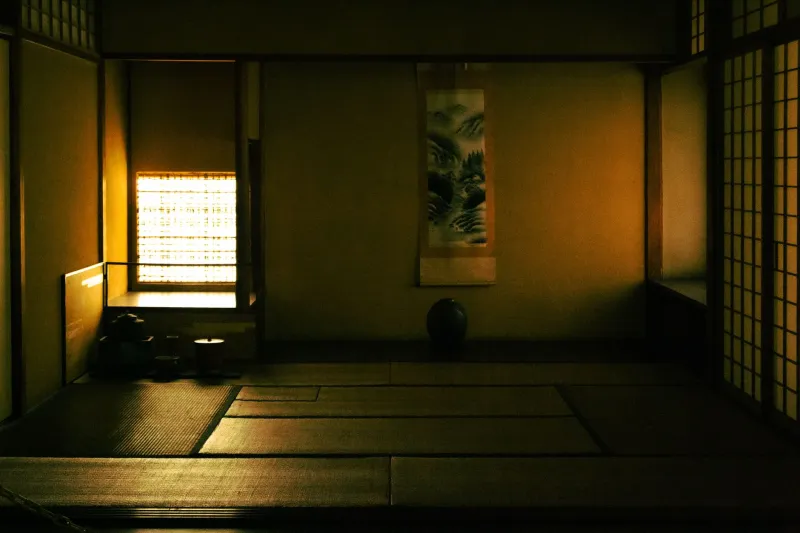
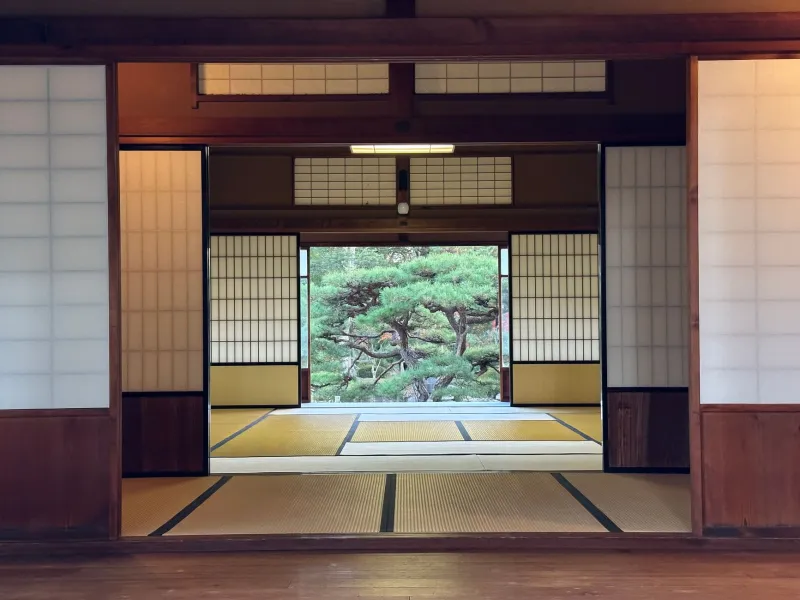
Japanese has a concept called ma (間) — a word that roughly translates to "interval" or "negative space" but applies to time just as much as it applies to physical space. In music, in architecture, in conversation, ma is the intentional pause that gives what surrounds it more weight.
When someone goes quiet after you've said something in Japan, they're often doing real cognitive work. They're considering your words carefully before responding. This is actually a sign of respect — your statement is being taken seriously enough to warrant actual reflection rather than a reflexive reply.
In many Japanese professional and social contexts, speaking too quickly after someone else finishes is seen as slightly rude, like you weren't really listening because you were too busy preparing your own response. The pause signals: I heard you. I'm processing. I'll speak when I have something worth saying.
Compare that to the American conversational model where overlapping speech, quick follow-ups, and enthusiastic interruptions can signal warmth and high engagement. Neither is wrong. They're just operating on completely different assumptions about what attentiveness looks like.
The Workplace Version of This Is Particularly Wild
If you ever sit in on a Japanese business meeting for the first time, especially one involving a senior figure, the silence can feel almost ceremonial. Someone presents an idea. The room goes quiet. Heads tilt slightly downward. There might be a soft "hmm" or two. Then, eventually, someone speaks.
American meeting culture tends to work the opposite way. Brainstorming sessions reward rapid-fire contributions. Speaking up early signals enthusiasm. Silence from a team member in an American meeting can get read as disengagement, lack of preparation, or passive disagreement.
This creates genuinely awkward dynamics in international work environments. American colleagues sometimes interpret Japanese coworkers' thoughtful pauses as reluctance or evasion. Japanese colleagues can find American-style meetings overwhelming — too fast, too loud, with ideas only half-formed before they're already being debated.
Neither group is being difficult. They're just running different operating systems for what "productive discussion" looks like.
Dating, Silence, and the Complete Breakdown of Western Assumptions
The silence dynamic gets especially interesting — and occasionally chaotic — in romantic contexts. Western dating culture has basically built an entire anxiety industry around conversational flow on dates. Keeping the conversation going is treated as evidence of chemistry. A lull means something is wrong.
Japanese dating, particularly in more traditional contexts, can involve a lot more comfortable quiet. Sitting together without speaking isn't necessarily a sign that things are going badly — it can actually signal a level of ease. You don't have to perform for each other constantly.
For someone raised on Western romantic comedies where the witty banter never stops, this requires a genuine mental reset. The silence isn't rejection. It might actually be the opposite.
Learning to Stop Treating Quiet Like a Problem
Here's the thing: once you understand what Japanese silence is communicating, it stops feeling threatening and starts feeling almost generous. Someone is taking the time to actually think about what you said before they respond. That's not nothing. In a world of hot takes and instant reactions, it's kind of remarkable.
A few things that help if you're navigating this:
Resist the urge to fill immediately. When a pause opens up, count to three before jumping in. This is harder than it sounds if you've spent thirty years treating silence as a social emergency, but it gets easier.
Reframe what the quiet means. Instead of reading it as "something went wrong," try reading it as "they're taking this seriously." That single mental shift changes the emotional texture of the pause entirely.
Notice what you do with your own silences. Most Americans, when asked a question they need to think about, will still produce filler sounds — "uh," "well," "I mean" — just to prove they're still there. In Japanese conversation, you don't need to do that. You're allowed to just think.
Accept that you will still find it uncomfortable sometimes. Cultural conditioning runs deep. You don't have to be perfectly at ease with silence overnight. Just knowing why it's happening is already most of the work.
The Quiet That's Actually Loud
Japanese communication isn't less expressive than American communication — it's expressive in different registers. A lot of meaning travels through what isn't said, through the quality of a pause, through a slow exhale, through the angle of a nod. Once you start picking up on those signals, conversations that would have seemed sparse start feeling surprisingly full.
The pause isn't dead air. It's part of the broadcast.
And honestly? After spending enough time around Japanese conversational rhythms, sitting in an American meeting where everyone talks over each other at full volume starts to feel a little exhausting. There's something to be said for a culture that built respect for silence directly into the way people talk to each other.
Not every gap needs to be filled. Sometimes the quiet is the whole point.