Rest Isn't a Reward in Japan — It's Just Tuesday
Somewhere between your third productivity podcast and your color-coded morning routine, you probably started believing that rest had to be optimized. That your Sunday afternoon needed a theme. That your bath needed a Bluetooth speaker and an audiobook and maybe a face mask from a brand that donates 1% to reforestation. That even your doing-nothing needed to be doing something.
Japan would like a word.
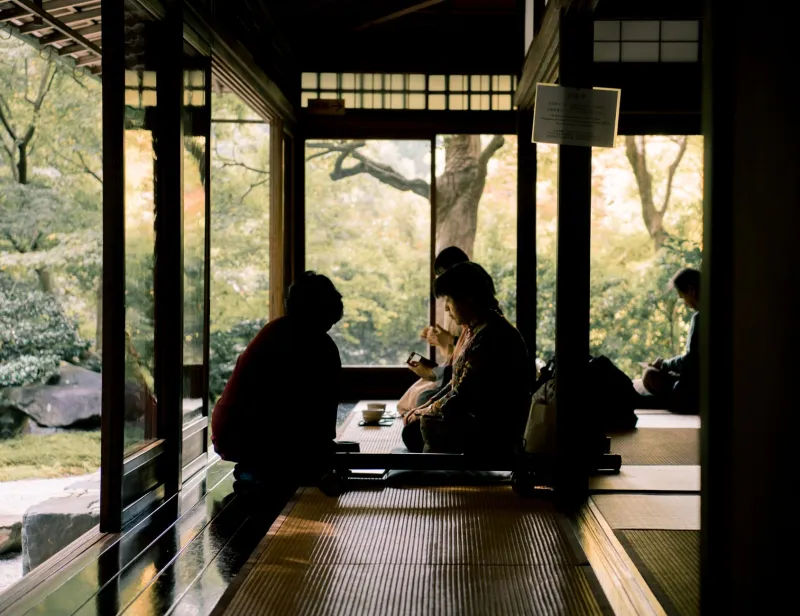
Not a loud word. More like a quiet exhale from someone sitting on a wooden engawa porch, watching a maple tree do absolutely nothing remarkable, and feeling completely fine about it.
What We Actually Mean When We Say 'Self-Care'
Let's be honest about American self-care for a second. It started as a genuine, radical idea — the notion that marginalized communities deserved to protect their own wellbeing in a system that wasn't designed to do it for them. That was real. That mattered.
Then somewhere along the way it became a $450 billion industry selling us bath bombs and journaling subscriptions and the vague promise that if we just structured our leisure correctly, we'd finally feel okay.
The problem isn't the bath bombs. The problem is the word correctly. The moment rest becomes a performance — something you document, optimize, and feel guilty about doing imperfectly — it stops being rest. It becomes another task on the list. Just one with lavender essential oil.
Japan doesn't really operate on that frequency.
Natsukashii and the Permission to Just... Feel
There's a Japanese word, natsukashii, that doesn't translate cleanly into English. It's usually rendered as 'nostalgic,' but that's not quite it. Nostalgia in English tends to carry a kind of ache — you're mourning something lost. Natsukashii is softer. It's the warm, slightly bittersweet feeling of remembering something fondly, without needing to go back to it or fix anything about the present moment. You smell a particular kind of rain and you just... sit with it. You let it wash over you. You don't immediately open a Notes app and write about what it means.
That quality — sitting with a feeling without immediately converting it into something productive — shows up all over Japanese daily life in ways that quietly stunned me the first time I noticed them.
A grandmother watching the light change on a garden wall. A salaryman sitting alone in a kissaten coffee shop, not on his phone, not reading, just drinking his coffee and existing. A teenager lying on their bedroom floor listening to one song on repeat for forty minutes.
None of these people are working on themselves. They're just being people.
The Two-Hour Bath Is Not a Quirk
Japanese bathing culture — ofuro at home, onsen when you can get there — is one of the clearest windows into how differently rest gets framed. A Japanese bath isn't a hygiene task. It's not a quick rinse before bed. It's a daily ritual that can stretch to an hour or more, and nobody is apologizing for it.
The water is kept at a specific temperature. The same water is used by the whole family, kept covered to retain heat, because the point isn't cleanliness — you shower before you get in the bath. The point is the soaking. The warmth. The specific, purposeful doing of nothing except being warm and still.
There are no podcasts required. There is no 'bath routine' to optimize. The bath is the thing. Being in it is enough.
When Americans discover this, the reaction is usually some version of that sounds incredible but I could never justify it. And that response — the instinct to justify stillness — is exactly what Japan is quietly pushing back against.
Seasonal Watching as a Legitimate Activity
Here's something that doesn't get exported in anime merchandise: Japan takes the act of watching seasons change seriously as a pastime. Not hiking through them, not photographing them for content, not making seasonal cocktails inspired by them. Just watching.
Hanami — cherry blossom viewing — gets the most Western attention, but it's part of a much larger cultural habit of showing up to witness nature doing its thing. People sit under trees with convenience store snacks and just look at flowers. Families spread out blankets and watch petals fall into rivers. There's no itinerary. The cherry blossoms are the itinerary.
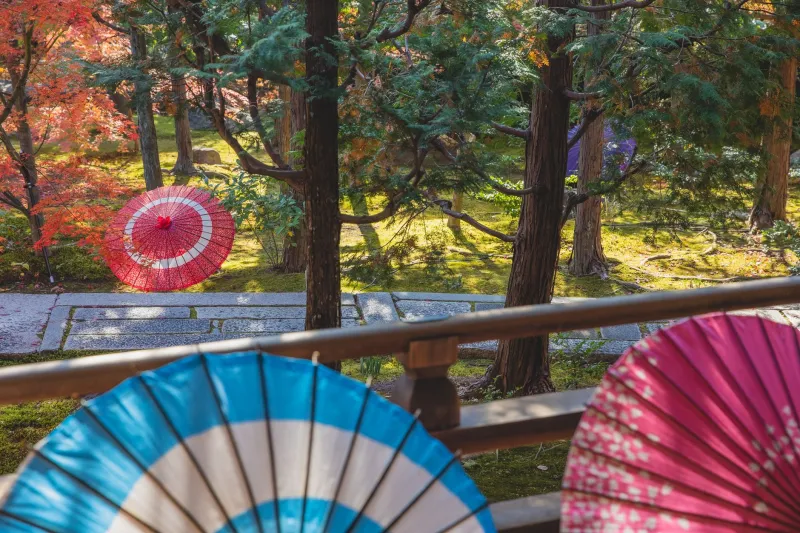
The same energy applies to momiji — autumn leaf watching — and to the first snow, and to the first really hot day of summer when the cicadas start screaming. These are events. They're worth stopping for. The stopping is the point.
Compare that to the American version, where 'enjoying fall' tends to mean a corn maze, a pumpkin patch, a specific latte, and at least three Instagram posts proving you were present for it. The season becomes a backdrop. In Japan, you're more likely to be the backdrop, and the season is the main character.
Why Idle Time Doesn't Feel Like Failure
Part of what makes Japanese leisure feel so different is that it's not framed against productivity. In American culture, rest exists in opposition to work — it's what you do when you've earned a break, or when you're forced to stop. That framing means rest always carries a faint whiff of guilt, like you're getting away with something.
Japanese daily life tends to treat certain kinds of idleness as simply part of the texture of a day. The concept of ma — the meaningful pause, the space between things — extends beyond architecture and music into how time itself is understood. A quiet moment isn't wasted time. It's the breath between notes. It makes the notes mean something.
This doesn't mean Japan is some burnout-free utopia — it absolutely is not, and karoshi (death from overwork) is a real and documented crisis. But culturally, there exist pockets of permission to be genuinely, unproductively still that American life doesn't really have a framework for.
Borrowing the Feeling Without Buying the Aesthetic
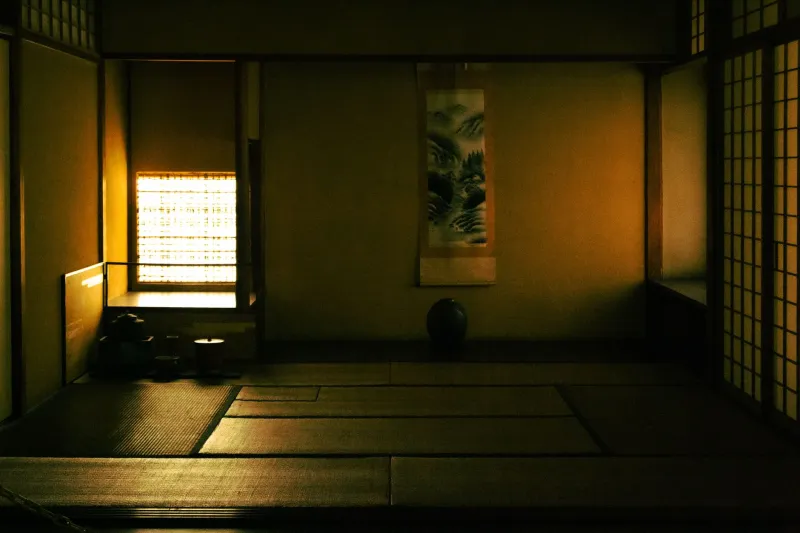
You don't need a tatami room or an onsen membership to take something from this. The shift isn't about aesthetics — it's about permission.
The next time you find yourself lying on the couch on a Saturday afternoon and your brain starts running the 'you should be doing something' tape, try asking a different question. Not what should I be doing but what is this moment actually asking for.
Maybe it's just asking you to lie there. Maybe the light coming through the window is doing something interesting and you could watch it for a while. Maybe you're a little natsukashii about something and you could just let yourself feel that without turning it into a journaling prompt.
Rest isn't a reward you unlock after enough hustle. It's not a productivity hack dressed in a bathrobe. Sometimes it's just a Tuesday, and you're just a person, and that's exactly enough.
Japan's been trying to tell us that for a while now. We've just been too busy optimizing to hear it.