The Japanese Hobby That Taught Me to Stop Racing the Clock and Actually Live in It
For most of my adult life, I treated free time like a problem to be optimized. Even hobbies had to produce something — a skill, a portfolio piece, a result I could point to and say, "See? I used that time correctly." I'd download language apps and abandon them after two weeks. I'd start journaling and turn it into a performance. I'd pick up watercolors and immediately compare my work to people on YouTube who'd been painting for a decade.
I was, in the most American way possible, hustling at leisure.
Then I stumbled into techo culture — Japan's deeply specific, borderline obsessive world of personal planner and notebook keeping — and everything got weird in the best possible way.
What Even Is a Techo
A techo (手帳) is essentially a Japanese planner or personal organizer. But calling it just a "planner" is like calling a Studio Ghibli film "a cartoon." Technically accurate, emotionally insufficient.
The most famous version is the Hobonichi Techo, a pocket-sized daily planner printed on thin, ink-friendly Tomoe River paper. Each page is one day. That's it. One small page, lightly gridded, for whatever you want to put in it. No prompts. No "gratitude section." No pre-formatted habit tracker demanding you account for your water intake.
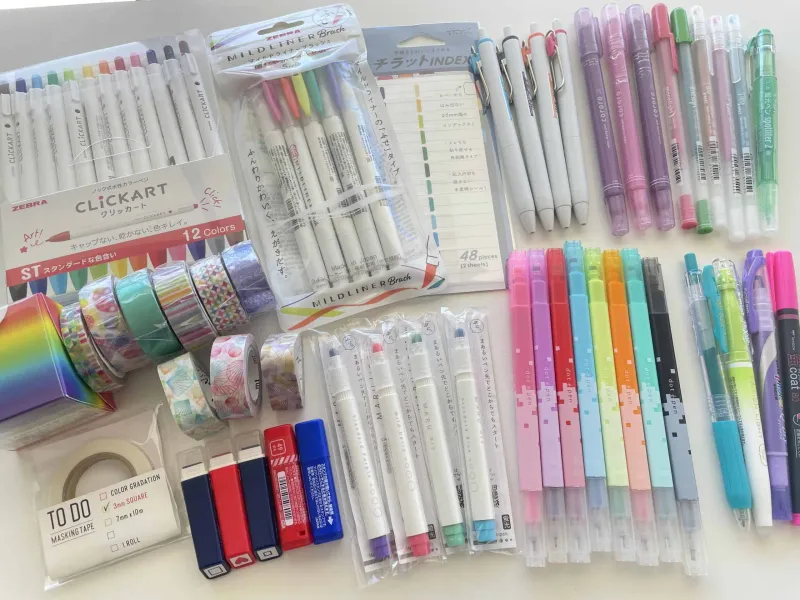
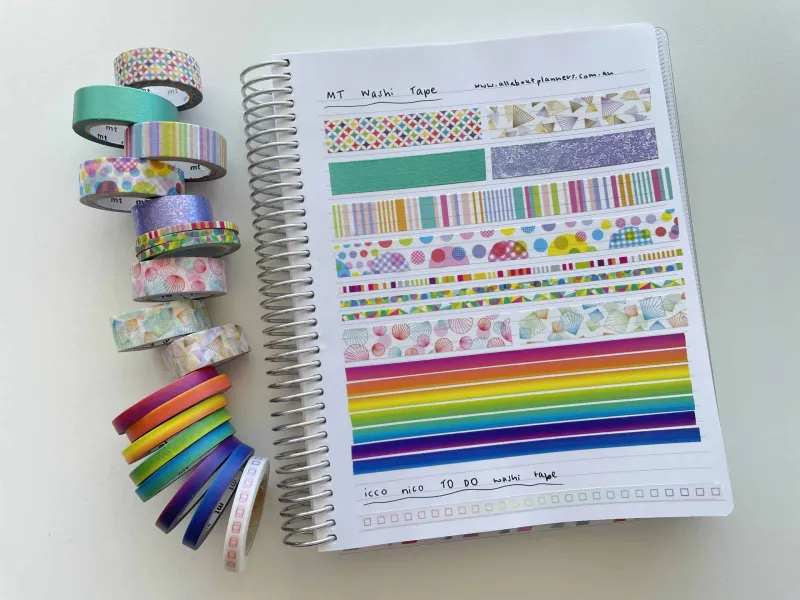
The techo community in Japan — and increasingly in the U.S. — treats these little books with a reverence that initially seemed excessive to me. People photograph their daily spreads. They collect washi tape and specialty pens specifically for decoration. They plan their planning sessions. There are entire YouTube channels, in Japanese and English both, dedicated to watching someone quietly fill in a single page for the day.
I found this community through an anime rabbit hole, actually — a slice-of-life series where a character kept a meticulously decorated journal, and I thought, "I want whatever calmness that character has." So I bought a Hobonichi. And then I kind of lost my mind, in a productive way.
The First Month Was Uncomfortable
Here's what nobody tells you about adopting a slow, process-focused hobby when you've been running on American hustle brain for years: the decompression is not instant and it is not comfortable.
I kept trying to use the techo efficiently. I'd fill in every hour. I'd write task lists with priority rankings. I'd treat the decorating part as something to get through quickly so I could "actually use" the planner. I was completely missing the point.
The techo philosophy — at least as I came to understand it through the community — isn't about capturing productivity. It's about capturing presence. People write down what they ate. What the weather felt like. A sentence about something small they noticed. A tiny sketch of a leaf. The idea is that the act of writing it down makes you notice it in the first place.
That's a genuinely different operating system than what most American productivity culture is selling. Over here, the goal is usually to do more, track more, optimize more. The techo approach says: do less, but be there for it.
What Shifted (And When)
About six weeks in, something clicked. I stopped filling every box. I started leaving white space — not because I had nothing to write, but because I was learning to let a moment exist without immediately cataloguing it.
I started noticing seasonal details I'd been walking past for years. The specific way the afternoon light hits my apartment in late October. The fact that the coffee shop two blocks away switches to a different blend sometime in November and I'd never registered that before. These weren't profound revelations. They were just... noticing. Small, quiet, consistent noticing.
This is deeply embedded in Japanese leisure culture — the idea that a hobby should attune you to your environment, not distract you from it. Whether it's ikebana (flower arranging), kodo (incense appreciation), or obsessively decorating a tiny daily planner, the through-line is the same: slow down enough to actually experience what's in front of you.
For someone raised on "rise and grind" content and the ambient guilt of not doing enough, this was almost subversive.
The Anime Connection Is Real
I want to circle back to how I got here, because I think it matters for a lot of us in the international fan community.
Anime — especially slice-of-life titles like Laid-Back Camp, Barakamon, or Yotsuba&! (okay, that's manga, but still) — is full of characters who find genuine, unhurried joy in small, specific practices. Camping rituals. Calligraphy. Tending a garden plot. These aren't subplots. They are the story. And the emotional resonance of watching someone be completely absorbed in a simple, careful activity hits different when you're someone who struggles to sit still for five minutes without checking your phone.
For a lot of Western fans, anime is the first place we encounter this alternative model of what leisure can look like. It plants a seed. And sometimes, years later, you buy a tiny Japanese planner and realize the seed grew into something.
What I'd Tell Anyone Considering This
If you're curious about picking up a techo, or bonsai care, or origami, or any other deliberate Japanese practice that seems "too slow" or "too fussy" for your current lifestyle — that friction is the point. The fussiness is the feature.
You don't need to go full devotee immediately. Buy one good pen. Get one small notebook. Give yourself one page a day with no rules. See what happens when you stop trying to optimize the experience and just... have it.
I'm not going to tell you it'll fix your anxiety or make you more productive. That would be selling the exact same hustle-culture logic with a different aesthetic wrapper.
What I can tell you is that six months into keeping a techo, I am genuinely, measurably better at being in the room I'm actually in. And for someone who spent years mentally sprinting toward the next thing, that's kind of everything.