Why My Messy Desk Got Fixed by a $4 Sanrio Planner (And the Psychology Behind It)
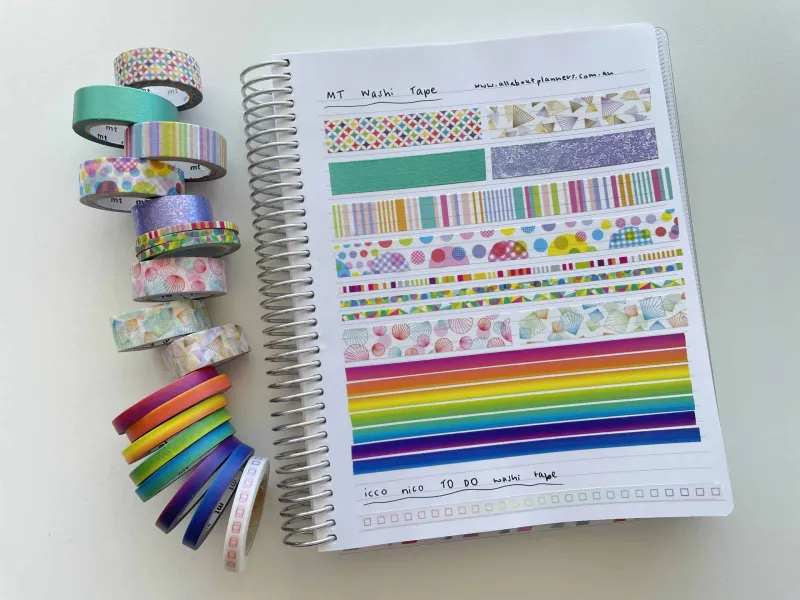
Photo: Japanese kawaii stationery planner washi tape colorful desk setup, via allaboutplanners.com.au
For a long time, I bought into the whole "clear desk, clear mind" thing. I watched the YouTube videos. I got the plain white notebook. I downloaded the minimalist to-do app with exactly zero color and exactly zero personality. And for a few weeks, it felt very adult and very organized.
Then I stopped using all of it entirely.
The notebook sat untouched. The app collected dust in a folder I never opened. My actual system devolved back into scattered sticky notes and a mental list I'd forget by 3 p.m. Sound familiar?
The turning point came when I stumbled onto a Japanese stationery haul video on YouTube — one of those wildly satisfying ones where someone unboxes Hobonichi planners, Midori notebooks, and an alarming quantity of Sanrio-branded washi tape. Something about it just clicked. A week later, I had placed an order on a Japanese import site, and honestly? My productivity has never been better. Here's why that's not as ridiculous as it sounds.
The Kawaii Productivity Pipeline
In Japan, the concept of kawaii (roughly: cute, charming, endearing) extends way beyond character merchandise. It's a genuine aesthetic philosophy that filters into everyday objects — and stationery is one of its most beloved expressions. Walk into a Tokyu Hands or a Loft store in Japan and you'll find entire floors dedicated to planners, pens, stamps, stickers, sticky notes, and decorative tape in every conceivable style.
This isn't just consumerism for its own sake. There's a cultural undercurrent here: if an object brings you joy and makes you want to interact with it, you're more likely to actually use it. That's the core logic behind kawaii productivity, and it maps surprisingly well onto what behavioral psychology tells us about habit formation.
When a task or tool feels rewarding on a sensory level — when it's visually pleasing, satisfying to touch, or associated with positive feelings — your brain is more inclined to return to it. A plain black pen and a blank white page ask nothing of you emotionally. A pastel Pentel Energel with a Cinnamoroll sticker on the barrel sitting next to a color-coded weekly spread? That's a whole different invitation.
The Hobonichi Effect
If you're even a little bit into Japanese stationery culture, you've heard of the Hobonichi Techo. It's a planner published annually by the Japanese company Hobonichi, printed on ultra-thin Tomoe River paper that fountain pen lovers lose their minds over. The layouts are minimal — just a simple daily page — but the culture around it is anything but.
Hobonichi users (and there are millions of them worldwide) decorate their planners with stickers, drawings, washi tape, ticket stubs, and magazine clippings. The planner becomes a kind of daily journal-scrapbook hybrid. And here's the thing: people who use Hobonichis are obsessive about filling them in. Not because they have to, but because they genuinely look forward to it.
That's the kawaii productivity pipeline in action. The planner is cute. Decorating it is fun. Filling in your tasks and reflections becomes part of a creative ritual rather than a chore. Suddenly, planning your week isn't something you avoid — it's something you make tea for.
My Workspace Transformation (And What I Actually Bought)
Okay, let me get personal for a second. My home office setup before the kawaii intervention: one sad IKEA desk, a cracked phone charger, approximately 47 browser tabs open at all times, and a coffee mug that doubled as a pen holder because I'd lost the actual pen holder.
After going down the rabbit hole, I made some deliberate changes. Nothing expensive — Japanese stationery is actually remarkably affordable for the quality you get, especially compared to trendy US "productivity" brands.
I picked up a Midori MD notebook for actual writing (the paper is dreamy). I got a set of Zebra Mildliners — those soft, dual-tip highlighters that are everywhere in Japanese study culture — for color-coding my calendar. I found a small Sumikko Gurashi desk organizer on Amazon Japan that I use to corral my pens. And I grabbed a roll of bear-print washi tape to mark important deadlines in my planner.
Did it feel a little silly at first? Sure. But within two weeks, I was sitting down at my desk voluntarily. I was excited to plan my week. I started finishing tasks I'd been putting off for months because crossing them off in my little color-coded system felt genuinely satisfying.
Why Minimalism Doesn't Work for Everyone
Here's the thing nobody wants to say in productivity circles: minimalism is a personality type, not a universal system. For some people, clean and sparse equals calm and focused. For a lot of other people — especially creative types, visual thinkers, or folks who struggle with ADHD or executive function challenges — a sterile environment actually makes it harder to engage.
Kawaii stationery culture implicitly understands this. It treats your workspace as something that should reflect and energize you, not something to be stripped of personality in pursuit of some imagined ideal. Adding a little Totoro sticky note dispenser to your desk isn't a distraction — it's an anchor. Something that makes the space feel like yours.
Japanese students have known this for decades. The aesthetic of the benkyou (study) setup — carefully arranged stationery, color-coded notes, decorated notebooks — is practically a genre of its own on Japanese social media. And the academic culture that produced it is, by most measures, extremely effective.
Starting Your Own Kawaii Desk Era
You don't need to go full Hobonichi right away (though honestly, go for it). A few easy entry points:
- Mildliner highlighters are available on Amazon and most art supply stores. Start there. You'll immediately understand the appeal.
- Washi tape from Japanese brands like MT is affordable, reusable, and makes any planner look intentional and cute.
- Daiso USA has locations in several states and carries a rotating selection of Japanese stationery at $1.50–$3 a pop. Absolute goldmine.
- JetPens.com is the English-language destination for Japanese pen and stationery imports. Dangerous for your wallet, but in the best way.
The productivity world keeps chasing the next app, the next framework, the next system. Meanwhile, Japan figured out decades ago that if you make the tools delightful, the work follows. Sometimes the most effective upgrade isn't a new method — it's a cuter pen.