I Fell Into Japan's Stationery Rabbit Hole and Now My Desk Has Strong Opinions
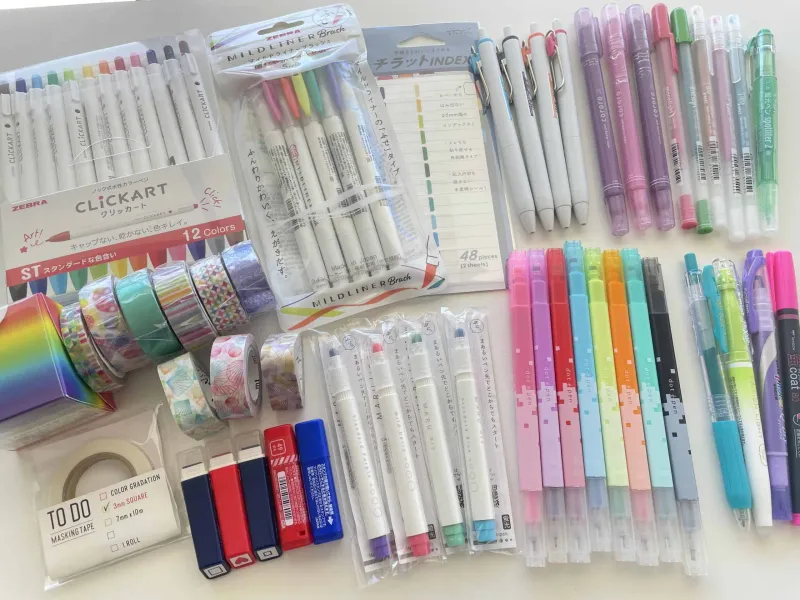
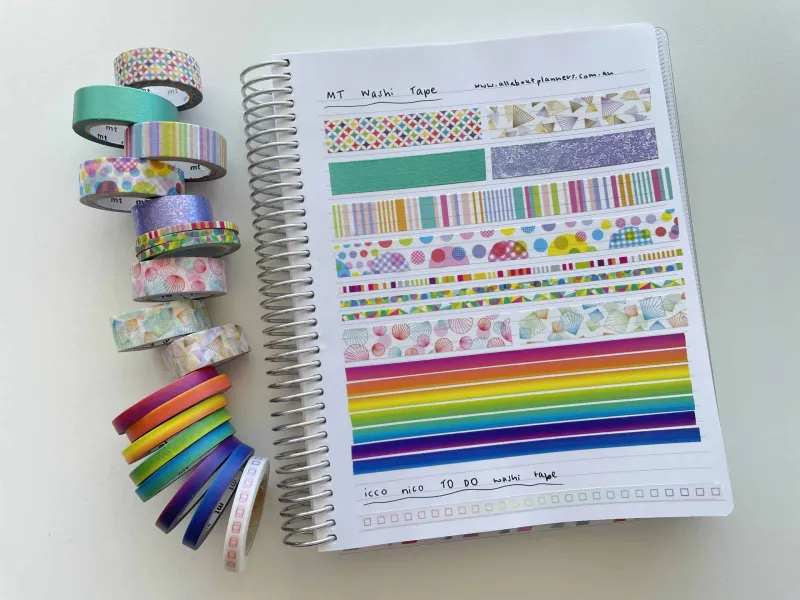
Photo: Japanese stationery flat lay gel pens washi tape notebooks desk aesthetic, via allaboutplanners.com.au
Here's something nobody tells you about Japanese stationery: it has a personality. Not in the metaphorical, marketing-copy sense — in the very literal sense that picking up a Pilot G2's Japanese cousin for the first time and dragging it across a page feels like meeting someone who immediately gets you.
I didn't go looking for this hobby. I was at a Daiso in LA, grabbing cheap storage containers like a responsible adult, and I picked up a pen on impulse because it was 88 cents and had a satisfying weight to it. I used it to write a grocery list. Then another list. Then I started writing in my journal again for the first time in two years.
That was eighteen months ago. I now have a dedicated drawer.
Why Japan Treats Pens Like Instruments, Not Tools
The first thing that strikes most people when they wander into the stationery section of a Japanese shop — whether that's a Muji in Manhattan or an actual Itoya in Ginza — is the variety. Not variety in the American sense of "twelve different colors of the same ballpoint." Variety in the sense of: here are forty-seven pens, each engineered for a slightly different purpose, and the people who made them thought deeply about every single one.
Japan's big stationery brands — Pilot, Uni-ball, Zebra, Pentel — have been competing for decades in a domestic market where consumers genuinely care about nib size differences measured in fractions of a millimeter. The Pilot Juice Up, the Uni-ball One, the Zebra Sarasa Clip — these aren't just product names. They're entries in an ongoing conversation about what ink flow, paper friction, and cap mechanism design can feel like when someone actually cares.
And that care is contagious. Once you write with a pen that was clearly designed by someone who loves writing, it's genuinely hard to go back to a Bic from the office supply closet.
The Kawaii Factor Is Real, But It's Not the Whole Story
If you've spent any time in anime fandom spaces, you've probably seen the aesthetic side of Japanese stationery already — the Sanrio-branded notebooks, the pastel washi tape, the sticker sheets covered in tiny sushi and sleeping cats. That stuff is genuinely delightful and I will defend my collection of Cinnamoroll sticky notes to my last breath.
But the kawaii surface is kind of a gateway into something deeper. Once you're in the ecosystem, you start noticing the non-cute stuff: the Midori Traveler's Notebook with its brass clasp and brutally simple refill system. The Stalogy 365 planner, which is so stripped-down it's almost aggressive in its minimalism. The Kokuyo Campus notebooks, which have been the standard for Japanese students for decades and are beloved not because they're cute but because the paper genuinely handles fountain pen ink better than most competitors.
Japan has this cultural throughline — you see it in craft traditions, in food presentation, in architecture — where functional objects are expected to also be considered. Not necessarily decorative, but intentional. A notebook isn't just a place to put words. It's an object you'll interact with daily, and it should feel like it was made by someone who thought about that relationship.
How This Changed My Creative Process (For Real)
I write a lot. Articles, personal essays, half-finished fiction I'll probably never show anyone. For years, my process was chaotic in a way I told myself was "organic" but was actually just unmanaged.
Getting into Japanese stationery introduced me to a concept I've since read about in the context of Japanese design philosophy: the idea that your physical environment shapes your mental state more than we usually admit. A cluttered, mismatched workspace signals to your brain that chaos is acceptable. A workspace with objects you've chosen deliberately — that feel good to touch, that function exactly as expected — signals something different.
This sounds like self-help fluff, but I've lived it. When I sit down at my desk now, with my Midori notebook open and a Uni-ball One in hand, something in my brain shifts into a different gear. The ritual of it matters. The objects are part of the ritual.
I've also started handwriting first drafts again, something I'd stopped doing entirely once laptops became ubiquitous. Turns out when writing by hand feels good, you want to do it more. Revolutionary insight, I know.
Getting Into This Hobby From the US (Without Paying Absurd Shipping)
Okay, practical section. Because I know the next question.
The good news: Japanese stationery is way more accessible from the US than it used to be. Here's where to actually look:
Daiso and Miniso — If you have one near you, start here. Prices are low, quality is solid, and it's a good way to test whether this rabbit hole is for you before spending real money.
Jetpens.com — This is the holy grail for US-based stationery fans. They stock an enormous range of Japanese pens, notebooks, and accessories with US-based shipping. Their product descriptions are detailed enough to actually help you choose. I've spent embarrassing amounts of money here.
Muji — Both in-store (if you're near a location) and online. Great for the minimalist, functional side of Japanese stationery. Their recycled paper notebooks are underrated.
Amazon Japan forwarding services — For stuff that doesn't make it to the US market, services like Buyee or Tenso let you shop Japanese Amazon and forward packages stateside. More effort, but worth it for specific items.
r/Journaling and r/Pens — Both subreddits have strong crossover with Japanese stationery culture. Good for recommendations and the kind of deep-dive reviews that will make you feel extremely normal about caring this much about paper.
The Desk as a Creative Statement
I think what I love most about Japanese stationery culture — beyond the pens and the notebooks and the washi tape — is what it implies about everyday creativity. In Japan, the idea that a salaryman might have strong opinions about his mechanical pencil isn't weird. It's just... a thing people care about.
In the US, caring intensely about office supplies can read as quirky at best, frivolous at worst. But there's something genuinely worthwhile in the idea that the objects you use every day to think and create and communicate deserve to be chosen with intention.
Your desk doesn't have to be a Pinterest board. It just has to be yours — assembled with the same care you'd give to anything else that matters.
Mine has strong opinions now. I think that's a good thing.