The Line Is the Point: What Japan's Legendary Bread Queues Taught Me About Wanting Things on Purpose

Photo by Photo by Joris Beugels on Unsplash on Unsplash
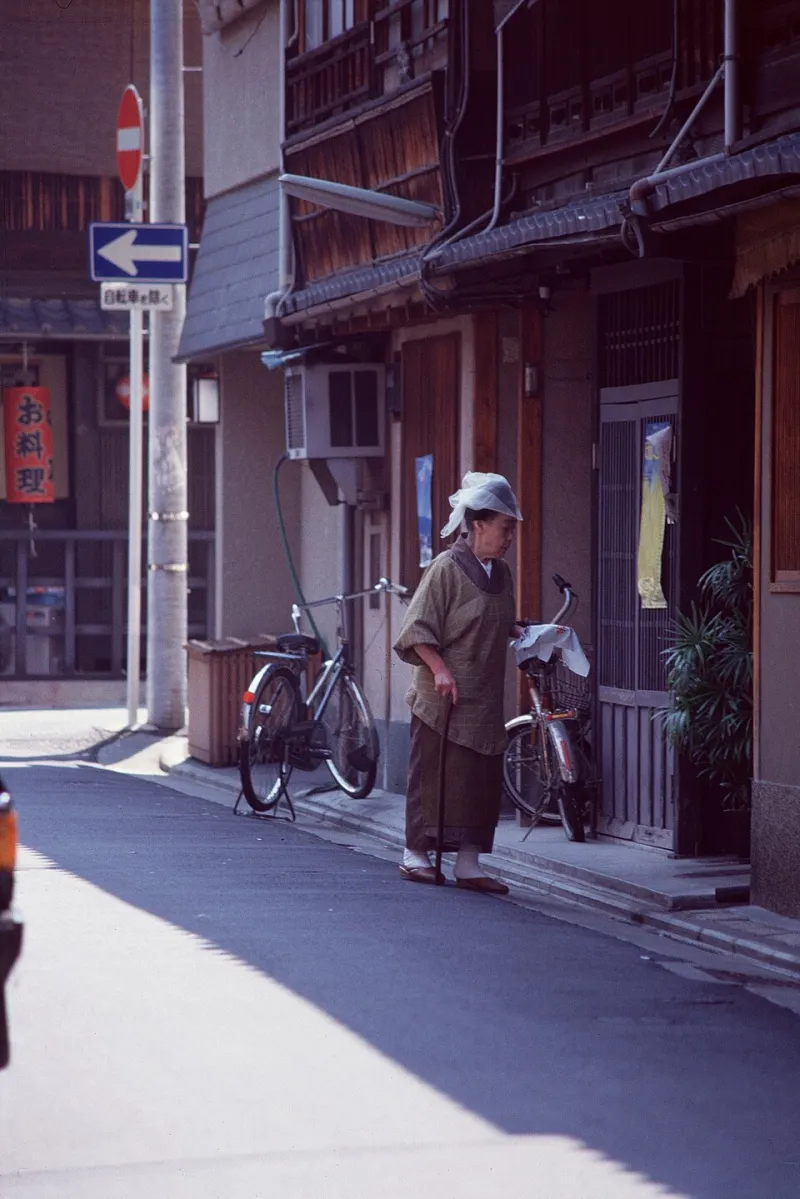
There's a bakery in Tokyo that opens at 10 a.m. By 7 a.m., the line is already wrapping around the corner. People have brought folding chairs. Someone has a thermos. A couple near the front is quietly reading — not doom-scrolling, actually reading — and they look, against all logic, completely at peace.
They are waiting three hours for bread.
Not a Michelin-starred tasting menu. Not concert tickets. Bread. Specifically, a limited-run shokupan — a Japanese milk bread so pillowy and rich it practically floats — that this particular shop only makes 200 loaves of per day. Once it's gone, it's gone. Come back tomorrow if you want another shot.
The first time I saw footage of one of these queues, my American brain short-circuited. Why wouldn't they just make more loaves? But the longer I sat with that question, the more I realized it was the wrong one entirely.
Japan Has a Whole Culture Built Around the Art of the Wait
Limited-edition releases aren't a quirk in Japan — they're a deeply embedded cultural rhythm. Seasonal snacks at convenience stores. Regional Kit Kat flavors you can only get in one prefecture. Cherry blossom–flavored everything that disappears the moment the petals do. The scarcity isn't a marketing gimmick layered on top of the product. It is the product, in a way.
Japanese consumer culture has long understood something that Western retail is only recently starting to fumble toward: when something is finite, it becomes meaningful. The waiting isn't an inconvenience to be engineered away. It's the first chapter of the story you'll tell about the thing you bought.
There's even a word adjacent to this feeling — mono no aware — the bittersweet appreciation of things precisely because they don't last. It's usually applied to cherry blossoms or the passage of seasons, but honestly? It applies just as well to a loaf of bread that won't be available again until next spring.
Meanwhile, Back in America...
Let's be honest about where most of us live mentally as American consumers. We exist in a world engineered for zero friction. Two-day shipping became one-day shipping became same-day shipping. Streaming libraries hold more content than a person could watch in several lifetimes. The coffee shop around the corner has seventeen milk options and your drink is ready before you finish paying.
None of this is inherently bad. Convenience is genuinely good! But there's a quiet cost that doesn't show up on the receipt.
When everything is always available, wanting loses its texture. You don't crave a show you can watch whenever — you just kind of passively consume it. You don't savor a food you can reorder in forty minutes — you eat it on autopilot. The desire doesn't build. It just... appears and disappears, like a notification you swipe away.
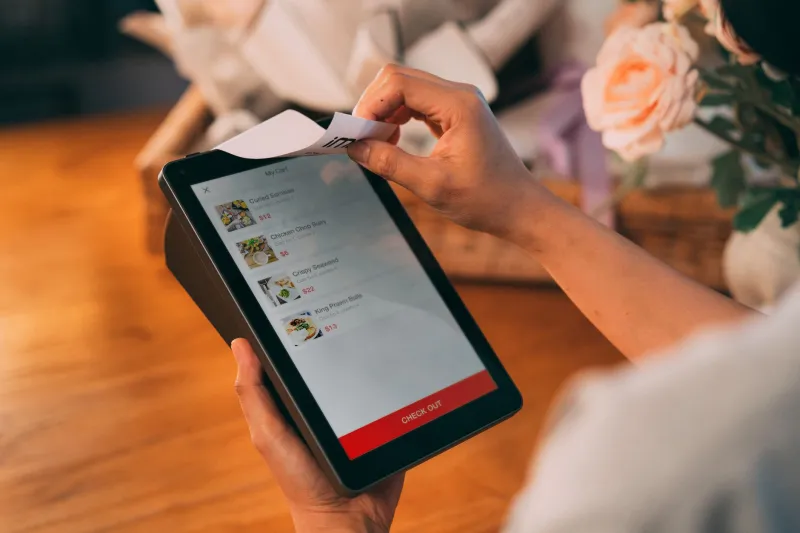
Impulse buying is the logical endpoint of this system. Amazon's one-click purchase wasn't designed to help you make better decisions. It was designed to get between you and the two seconds of hesitation that might make you reconsider. The result is a lot of things in a lot of closets that nobody remembers wanting.
The Queue as a Filter
Here's what strikes me about the Tokyo bread line: not everyone who wants that shokupan is going to stand in it. The line is, functionally, a question. How much do you actually want this?
And that question is doing real work. It's separating the people who saw a pretty photo on Instagram and thought "oh that looks nice" from the people who genuinely, deeply want to experience that specific thing. The line filters out casual desire and leaves only intentional desire behind.
By the time someone gets to the front of that queue, they have thought about this bread. They've anticipated it. They've talked about it with the stranger next to them in line. They've built a small story around it. And when they finally take that first bite — that bread is going to taste like something. Not just flour and butter and milk, but patience and anticipation and a Tuesday morning they chose to spend differently.
That's not nothing. That's actually kind of everything.
Reframing Waiting as an Ingredient
I'm not suggesting we all start camping outside Panera at dawn. That would be weird, and also Panera is always open, which defeats the whole point.
But there's something genuinely worth borrowing from the Japanese approach to limited things — this idea that waiting isn't a bug in the wanting experience, it's a feature. That the time between desire and fulfillment is where you find out if you actually want something or just thought you did for a moment.
Some people in the anime community already understand this intuitively. Anyone who has waited months for a figure pre-order to ship, or hunted down a limited Comiket doujinshi, or refreshed a lottery page for a Ghibli Museum ticket knows that the anticipation is part of the joy. You don't just have the thing — you earned it with your attention and your time, and that changes how you relate to it.
Maybe the lesson isn't about bread at all. Maybe it's about practicing the skill of wanting things deliberately — of letting a desire sit for a minute before you act on it, and seeing what happens. Does it grow? Does it fade? Either answer is useful information.
What the Bread Line Is Really Selling
The bakery in Tokyo isn't really selling shokupan. Or — it's selling shokupan, but that's not the whole transaction. It's also selling the experience of wanting something enough to show up for it. The satisfaction of being someone who decided a thing was worth their time and then followed through. The story. The memory. The small, quiet pride of the receipt.
American consumer culture is very good at selling us things. Japanese limited-edition culture is trying to sell us something slightly different: the experience of caring about what we buy.
And honestly? After years of buying things I barely remember wanting, I think I'd wait three hours for that.