How a Japanese Grandmother's Approach to Dinner Quietly Fixed My Broken Relationship With Food
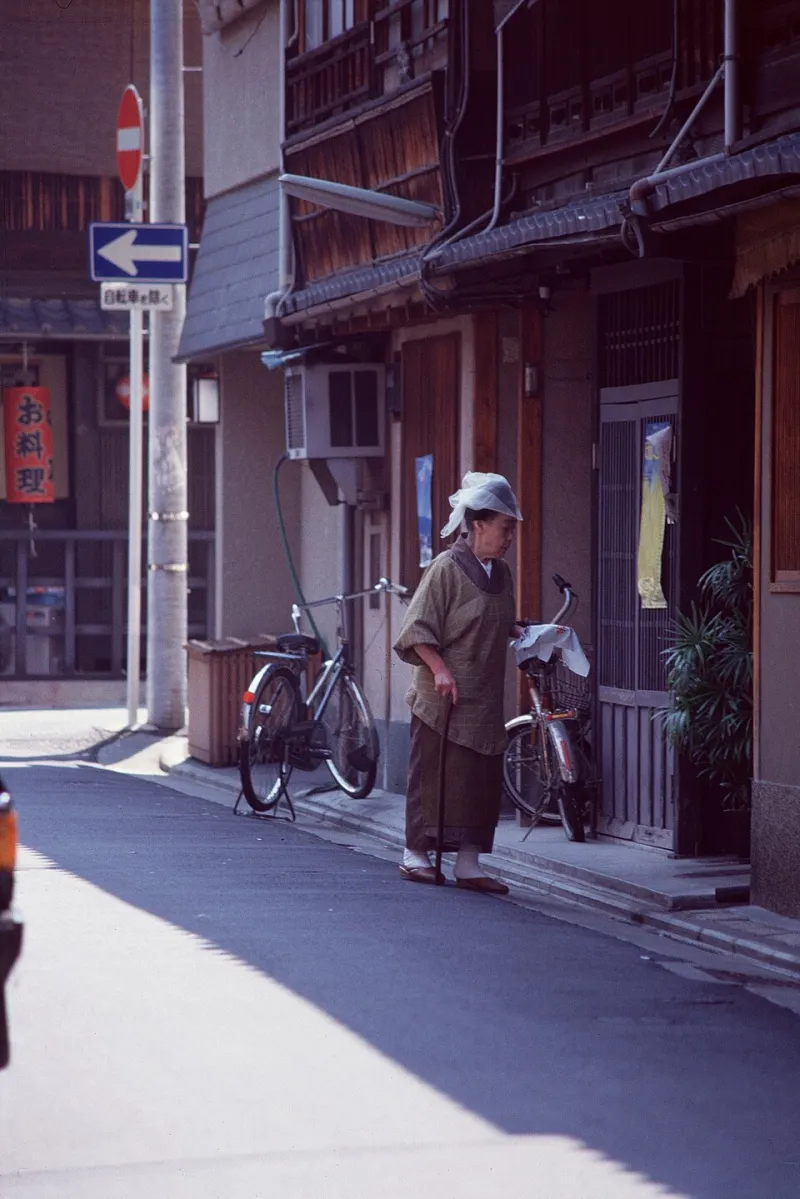
Photo: Marie-Sophie Mejan, CC BY 4.0, via Wikimedia Commons
For about three years, I was a meal prep person. Like, a committed meal prep person. I had the matching glass containers. I had the color-coded sticky notes on the fridge. I had a spreadsheet — an actual, functional spreadsheet — that mapped out my macros for the entire week by Tuesday night.
And I was absolutely miserable.
Not because eating healthy food is miserable, but because the system I'd built had turned cooking — something that's supposed to be nourishing and even joyful — into a logistics problem. Every Sunday felt like a production meeting. Every Wednesday, when I'd open the fridge and see the same sad container of pre-portioned grain bowl I'd made four days ago, I'd feel a specific kind of low-grade dread that I now recognize as culinary burnout.
The thing that eventually broke me out of it wasn't a new diet trend or a different meal planning app. It was watching my friend's Japanese grandmother cook dinner.
The Market First, the Menu Second
Her name is Michiko-san, and she does not own a meal planning spreadsheet. She does not follow a macro-tracking app. What she does, every single day, is walk to the market near her house, see what looks good, and buy that.
Sounds almost irresponsibly casual, right? But watching her do it was like watching someone operate on a completely different frequency from the one I'd been stuck on.
She'd pick up a piece of fish and turn it over in her hands, checking its eyes, pressing the flesh lightly. She'd smell the mushrooms. She'd ask the vegetable vendor which greens came in that morning. And then, based entirely on what she found, she'd build dinner in her head on the walk home.
This is the heart of what I've come to think of as the Japanese grandmother approach to food: the market informs the menu, not the other way around. It's a philosophy sometimes described in Japanese food writing as shun — eating what's in season, at its peak, right now. Not what's in your meal plan. Not what the algorithm suggested. What's actually good today.
Why American Meal Prep Culture Gets It Backwards
I want to be fair to meal prep. For a lot of people — especially folks with demanding schedules, limited cooking experience, or specific health requirements — having a plan is genuinely useful. I'm not here to shame anyone's Sunday container situation.
But I do think there's something worth examining about the underlying philosophy of extreme meal prep, which essentially says: decide everything in advance, eliminate variables, treat your body like a machine that requires specific fuel inputs.
The problem is that food isn't just fuel. And life isn't predictable enough for a rigid food plan to survive contact with it. You get invited to dinner. You're not hungry on Tuesday. The chicken you bought smells off by Thursday. The whole system starts to crack, and then you feel like you failed, when really the system was just too brittle to begin with.
Japanese home cooking — particularly the way older generations practice it — operates with a completely different level of flexibility baked in. A typical Japanese home meal isn't one big dish. It's several small ones: a bowl of rice, some miso soup, a vegetable side, maybe a piece of fish or some tofu. This ichiju sansai structure (one soup, three sides) sounds formal, but in practice it's incredibly adaptable. You can swap almost any component based on what's available, what's left in the fridge, what you're actually craving.
The Surprisingly Practical Magic of Cooking This Way
After spending time watching Michiko-san cook and then trying to apply her logic to my own kitchen back home, I noticed a few things shifting.
First, my food waste dropped dramatically. When you're buying what's fresh and building around it rather than buying a week's worth of specific ingredients for specific recipes, you're not stuck with half a bunch of cilantro that you needed for one dish and will never use again. You buy what's good, you use what you buy.
Second, I started actually paying attention to seasons in a way I never had before. I knew, in a vague abstract way, that tomatoes were a summer thing and butternut squash was fall. But I'd never really felt it, because I was buying the same stuff year-round at a big-box grocery store that stocks everything always. Once I started making a habit of visiting my local farmers market and asking what was peaking right now, the seasons became real and vivid in a way that was honestly kind of moving.
Third — and this one surprised me most — I started eating a wider variety of foods. Because I was working with what was available rather than executing a preset plan, I ended up cooking vegetables I'd never bought before, trying fish I'd always walked past, figuring out what to do with a bag of shiso leaves I impulse-bought because they smelled incredible.
You Don't Have to Move to Kyoto to Eat Like This
The honest caveat here is that Michiko-san lives near a daily market and has decades of cooking intuition that I simply don't have. I can't perfectly replicate her approach, and I'm not sure I'd want to — I still use recipes, I still sometimes make a loose weekly plan, I still have weeks where I'm too tired to be creative and I just need to know what's for dinner.
But the mindset shift is available to anyone. It basically comes down to this: let the food lead. Go to the store (or the farmers market, or even just your own pantry) and ask yourself what's good right now, what's almost done and needs to be used, what sounds genuinely appealing today — not what you committed to on Sunday.
It sounds small. It felt revolutionary.
My relationship with cooking went from something I managed to something I actually looked forward to again. And all it took was watching one Japanese grandmother trust her own instincts at the vegetable stand.