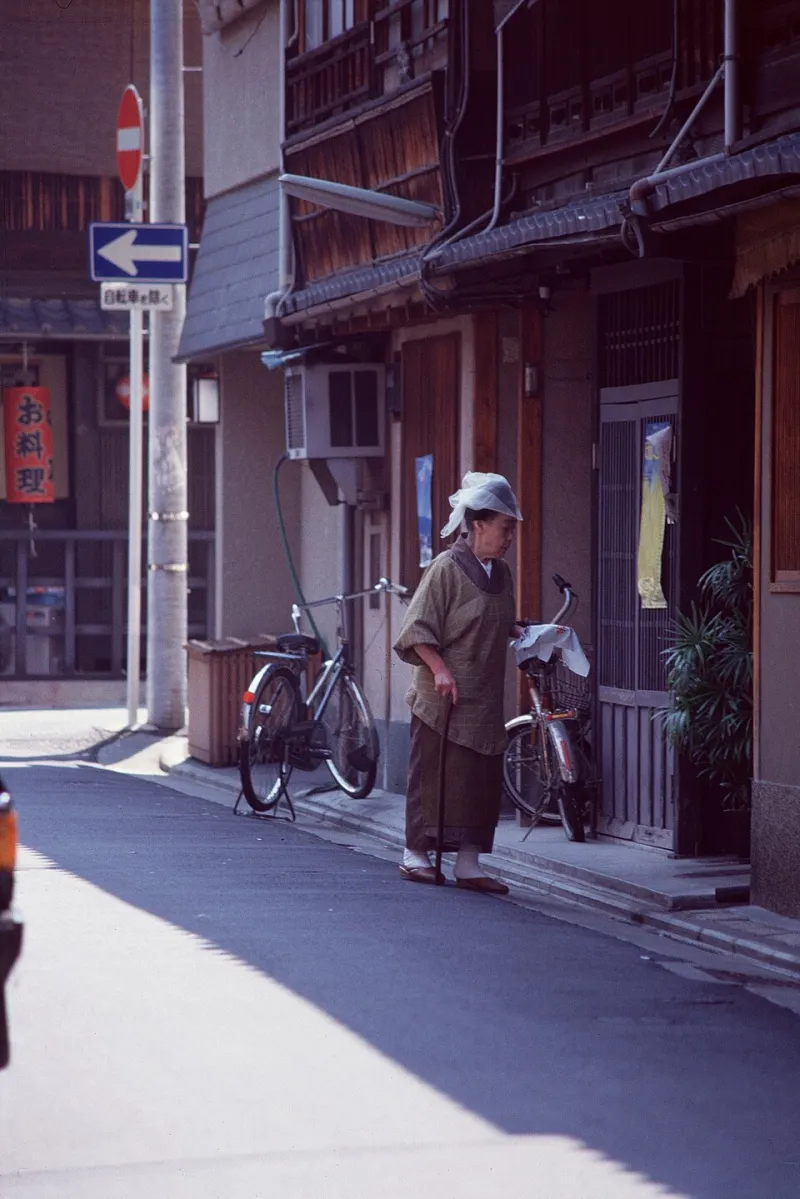
The Tiny Paper Trail Japan Taught Me to Take Seriously
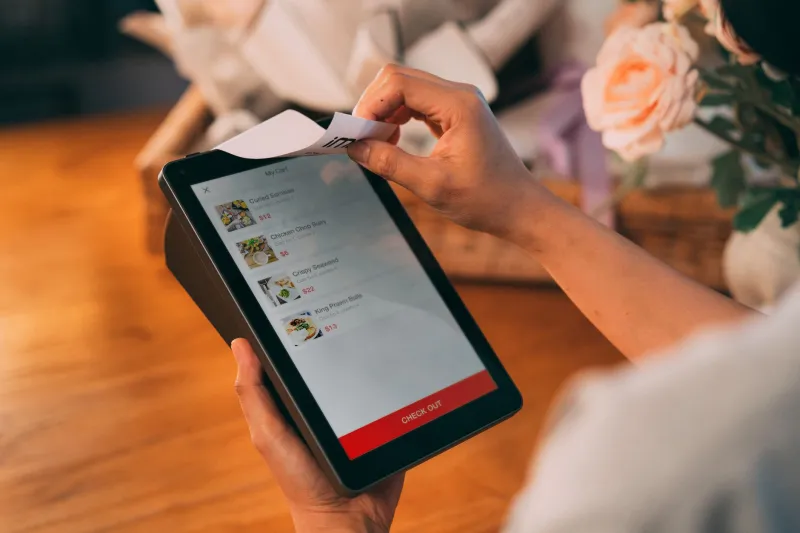
I used to treat receipts the way most Americans do: crumple them into a ball, stuff them in a pocket, forget about them, find them three weeks later in the washing machine. Done. Gone. Zero regrets.
Then I started paying attention to how Japan handles the same situation — and I genuinely felt a little embarrassed about my whole system.
It Starts the Moment the Receipt Prints
If you've ever been to Japan, or even watched enough slice-of-life anime set in everyday shopping scenes, you've probably noticed something: the cashier doesn't just shove the receipt at you. It's presented. Oriented correctly. Sometimes held with two hands. The whole interaction carries a small but unmistakable sense of this matters.
Japanese receipts themselves are also weirdly satisfying objects. They tend to be detailed in a way that feels almost excessive by American standards — itemized down to the tax breakdown, the store's registered business number, the exact time of purchase, sometimes even the name of the staff member who served you. The thermal printing is usually crisp and clean. Some konbini receipts are almost architectural in their layout.
There's a word that floats around a lot when people discuss Japanese organizational culture: kicho-menai (几帳面), which roughly translates to being precise, methodical, and careful with details. The receipt is, in a weird way, a physical expression of that value. It's not just paper. It's a record.
Why Japanese Households Actually Keep Them
In Japan, receipt-keeping isn't just a quirky habit — it's woven into how people manage household finances. The practice of maintaining a kakeibo (家計簿), a handwritten household account book, has been around for over a century. And receipts are the raw material that feeds it.
You save the receipt, you record the expense, you understand where your money went. Simple in theory. Surprisingly powerful in practice.
Beyond personal finance, there's also a cultural weight around accountability. If there's ever a dispute, a return, or just a question about a purchase, the receipt is your evidence. Losing it feels less like forgetting a piece of paper and more like losing a small piece of the official record of your day. Japanese tax culture also means that many people — especially the self-employed or small business owners — treat receipts as genuinely necessary documentation rather than optional clutter.
And maybe there's something deeper going on, too. Keeping a receipt is a quiet acknowledgment that this moment of exchange happened. You bought something. Someone sold it to you. It was real, and it counted.
What Happened When I Tried It
I didn't set out to overhaul my relationship with money. I just started keeping receipts because I was trying to be more intentional about small Japanese daily-life habits — the kind of low-key lifestyle stuff that's endlessly fascinating to read about but feels almost too simple to actually try.
I got a small zipper pouch, nothing fancy. Stuck it in my bag. Started dropping receipts in instead of abandoning them at the register.
Within about two weeks, something genuinely strange happened: I started to see patterns I had completely missed before. Not dramatic revelations — just small, clarifying ones. I was buying coffee far more often than I thought. A specific grocery store was consistently cheaper for certain things. I had zero memory of one particular $34 charge until the receipt reminded me it was a parking garage near a friend's apartment.
The receipts weren't judging me. They were just reporting. And somehow that neutral, factual quality made them easier to look at than any budgeting app I'd tried, which always felt like it was grading my choices.
The Emotional Side Nobody Talks About
Here's the thing about financial anxiety that I don't think gets discussed enough: a lot of it isn't actually about the money. It's about the fog. It's about not knowing where things went, feeling vaguely out of control, avoiding looking because looking might confirm your worst suspicions about yourself.
Keeping receipts — physically, tangibly, in a little pouch you can hold — cuts through that fog in a way that feels almost therapeutic. You're not hiding from the information. You're collecting it. There's a sense of agency in that, even when the numbers aren't great.
I think this is part of what the Japanese receipt culture quietly understands. Accountability doesn't have to be punishing. It can just be careful. Methodical. Kicho-menai.
Anime fans who've watched shows with slice-of-life domestic elements — think the quiet, deliberate way characters in something like Sweetness and Lightning or Laid-Back Camp handle everyday tasks — might recognize this energy. There's a dignity in doing ordinary things with attention. Receipts fit into that.
Small Ritual, Surprisingly Big Payoff
I'm not going to pretend I'm now some perfectly organized financial wizard. I still occasionally find a crumpled receipt in a coat pocket from two months ago. But the baseline has shifted. My relationship with the paper trail of my own daily life has changed.
I understand roughly where my money goes now in a way I genuinely didn't before — not because I downloaded a new app or read a personal finance book, but because I started treating small slips of thermal paper like they were worth keeping.
Japan figured this out a long time ago. The receipt isn't an afterthought at the end of the transaction. It's part of the transaction. It's the part that says: this was real, this was yours, and it's worth remembering.
Honestly? That reframe changed more than just my spending habits. It changed how I thought about paying attention to the small stuff in general.
And all it cost me was a $3 zipper pouch and the habit of not throwing paper away.