2 AM and a Bag of Umaibo: What Japanese Convenience Stores Actually Know About How You're Feeling
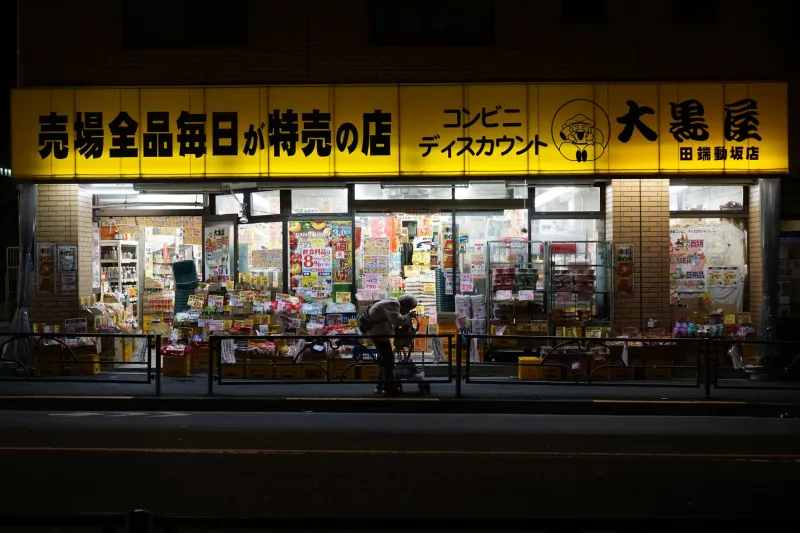
It's 2 AM on a Tuesday. You're not hungry — not really. But something pulled you off the couch, into shoes, and down the street to the nearest FamilyMart anyway. You grab a warm can of something sweet, a bag of chips you didn't plan on buying, and maybe a small dessert that you'll justify later. You pay. You walk home. You feel, inexplicably, a little better.
If you've ever had a night like that in Japan — or even watched enough slice-of-life anime to simulate one — you already know what I'm talking about. The conbini run isn't about the product. It never was.
The Store That Doesn't Ask Questions
Here's the thing about American convenience stores: they're transactional in a way that feels almost aggressive. Fluorescent lights that hum like they're annoyed at you. A cashier who may or may not make eye contact. Products stacked without any particular emotional logic. You go in, you buy gas station sushi you'll regret, and you leave feeling vaguely worse than when you arrived.
Japanese conbinis — the Lawsons, the 7-Elevens, the FamilyMarts — operate on an entirely different psychological frequency. The lighting is warm but not sleepy. The layout is deliberate. And crucially, nobody in there is going to ask why you're buying two onigiri, a can of warm corn soup, and a single Pocky stick at midnight. The store simply receives you. That non-judgment isn't accidental. It's the whole design.
For a culture that places enormous weight on social presentation — where how you appear to others carries real daily stakes — the conbini functions as a rare pressure-release valve. You can be a mess in there. You can be tired, heartbroken, stressed beyond coherent thought. The store doesn't care. It just stocks what you need.
Seasonal Drinks as Emotional Calendar
One of the most quietly brilliant things Japanese convenience stores do is rotate their inventory with the seasons — and not just in the obvious pumpkin-spice-latte way Americans have come to expect every September. Japan's conbini seasonal rotations are granular, almost obsessive. They track mood as much as weather.
Spring brings lighter, floral drinks — sakura lattes, yuzu-flavored sodas — timed to coincide with a cultural season of new beginnings. New school years, new jobs, the particular anxiety of starting over. The drinks are soft and a little hopeful. Summer pivots to aggressively cold, intensely flavored options — ramune, melon soda, iced barley tea — things that feel like relief in physical form. Autumn brings warmth back gradually: sweet potato lattes, chestnut-flavored everything, the kind of comfort that says slow down, it's okay now.
Winter is where it gets really interesting. The hot drink section expands significantly, and the specific items stocked tend toward the deeply nostalgic — warm amazake, canned oshiruko, milk tea in flavors that taste like childhood. This isn't a coincidence. Conbini buyers are acutely aware that winter in Japan correlates with increased social isolation and what the Japanese sometimes call fuyu-bate — a kind of winter fatigue that hits harder in a culture that prizes productivity. The store responds to that. Quietly. Without making a big announcement about it.
Americans are only now starting to have this conversation about seasonal affective needs, and mostly in the form of $14 adaptogen lattes at wellness cafes. Japan figured it out at the corner store.
The Breakup Shelf (It's Real, Sort Of)
Anyone who's spent real time in Japan — or spent real time on Japanese Twitter, which is basically the same thing — knows that certain conbini purchases carry emotional weight that the receipt doesn't reflect.
There's a particular combination that shows up in breakup stories with suspicious regularity: ice cream (usually a Pino or a Yukimi Daifuku), some form of salty chip, and a warm canned drink. It's not a rule. Nobody published a guide. But the pattern exists because the conbini has everything you need for a specific kind of grief — the small, private, 10 PM kind — and it delivers all of it without requiring you to explain yourself to anyone.
Work stress has its own conbini language too. The energy drink section in Japan is enormous and oddly specific — there are drinks calibrated for before a big presentation, drinks designed for the crash after an all-nighter, drinks that are essentially bottled apologies to your nervous system. Buying a particular brand of genki drink at 7 PM on a weekday communicates something to the cashier, to the other customers, to the universe. Everyone just gets it.
Why Americans Are Finally Paying Attention
There's been a noticeable uptick in Americans talking about conbini culture online — not just the food tourism angle (though yes, the egg salad sandwiches deserve every word written about them), but the feeling of being in one. Travel vlogs linger on the atmosphere. Anime fans who visit Japan for the first time describe their first conbini run with an almost reverent disbelief. "It just felt like someone thought about what I needed," one Reddit user wrote, and that comment got thousands of upvotes.
That reaction makes sense. American retail has spent decades optimizing for transaction speed and profit margin. Japanese conbini culture optimized for something else — the subtle, human experience of needing something at an inconvenient hour and being met without friction.
We talk a lot in the US about "third places" — the spaces between home and work where community happens. Conbinis function as a kind of compressed, solitary version of that. You don't stay long. You don't necessarily talk to anyone. But you were there, in a space designed to meet you, and that registers somewhere.
The Permission Slip You Didn't Know You Needed
Maybe the most radical thing about the 2 AM conbini run — the thing that makes it feel so different from ducking into a Walgreens at the same hour — is that it doesn't carry shame.
In Japan, being out late isn't automatically coded as failure or desperation. The conbini is simply open, always, because life doesn't schedule itself neatly. Salarymen grabbing dinner at 11 PM. Students fueling up at midnight. Someone in pajamas buying a single dessert at 2 AM because they needed the walk and the warm light and the quiet transaction.
All of it is normal. All of it is welcomed.
And honestly? That might be the most therapeutic thing about it. Not the snack. Not the drink. Just the simple, wordless message that the store is sending: whatever you're working through tonight, you're allowed to be here.
Your therapist probably charges $180 an hour to help you arrive at that same conclusion. The conbini charges you 130 yen for a warm can of corn soup and lets you figure it out yourself.
Honestly, both approaches have their merits.